Lightness as an act of resistance
Lightness as an act of resistance
Carrying the traumas of childhood, the legacies of war, and the violence of the world often means moving forward with an invisible backpack filled with stones. In this context, lightness can feel like a provocation—perhaps even an impossibility. And yet, it is precisely here that it becomes essential: not as denial, but as a vital impulse. How do we breathe when the past weighs us down? How do we dance when the ground trembles beneath us?
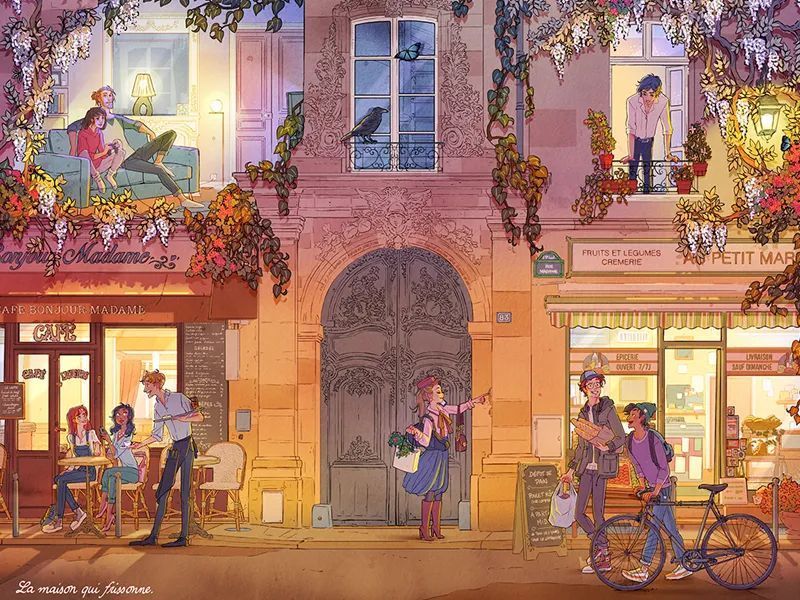
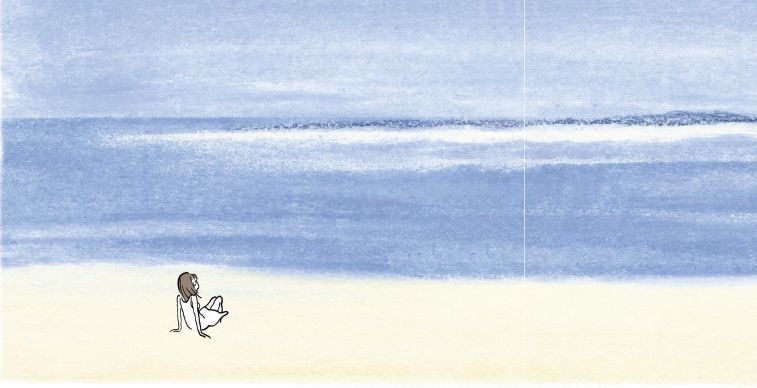
Donald Winnicott, through his theory of transitional space, reminds us that play, art, and creativity open up areas where the weight of reality can be gently held. These are not escapes, but spaces of reparation and self-reinvention. Lightness as a movement—a dance between shadow and light—like the pencil strokes of Catherine Meurisse, sketching life after tragedy.
In my work with teams, I intentionally create moments of lightness: using drawing to explore difficult organizational dynamics, visualization to collectively imagine more hopeful futures, or even enacting worst-case scenarios in caricatured ways—inviting laughter to release tension. The aim is not to impose positivity, but to create a holding environment - a container secure enough for challenges to be faced without collapse. It is about cultivating a tolerance for ambivalence—accepting that lightness and gravity can coexist: laughing through tears, creating despite obstacles.
Lightness is not naïve carefreeness; it is a strength—the capacity to create, to play, to breathe in spite of everything. What if, today, we chose to cultivate it like a muscle?